
Frequently Asked Questions About Glaucoma
Are you at risk for vision loss due to glaucoma? The eye disease affects more than three million Americans, according to the Glaucoma Research Foundation (GRF), and often has no symptoms initially.
What Is Glaucoma?
Aqueous humor, the clear fluid that fills the center part of your eye, creates pressure that helps your eye maintain its rounded shape. Unfortunately, sometimes the pressure inside your eye becomes too high.
If you have glaucoma, damage to your optic nerve can occur if the pressure remains high for too long. The optic nerve, the pathway between the eye and the brain, is essential for good vision. When the nerve is damaged, electrical impulses from the eye never reaches the brain, and vision loss occurs.
What Are the Types of Glaucoma?
Primary open-angle glaucoma and acute angle-closure glaucoma are the two most common forms of glaucoma. Pressure increases gradually in open-angle glaucoma, due to blockages in the eye's drainage canals or excess production of aqueous humor.
Acute angle-closure glaucoma happens quickly and occurs when drainage channels become completely blocked, often by the iris (colored part of your eye). If this happens, you'll need emergency treatment to save your vision.
What Are the Symptoms of Glaucoma?
If you have primary open-angle glaucoma, you probably won't notice any vision changes at first. In fact, you may not even be aware that you have an eye disease if you don't visit your eye doctor for annual vision exams. As the disease worsens, your peripheral (side) vision may be damaged, causing tunnel vision. You may also notice blurry vision.
Acute angle-closure glaucoma does cause noticeable, severe symptoms, which may include:
- Blurred Vision
- Severe Eye Pain
- Redness
- Halos Around Lights
- Bad Headache
- Nausea and Vomiting
If you have these symptoms, go to the emergency room immediately. Quick treatment is essential to protect your eyesight.
Are There Any Glaucoma Risk Factors?
Although anyone can get glaucoma, several factors can increase your risk, including:
- Chronic Diseases. High blood pressure, diabetes, sickle cell anemia or heart disease can increase your chances of being diagnosed with glaucoma.
- Age. People 60 and over are most likely to develop glaucoma.
- Ethnicity. Native Alaskans and people of Asian, Hispanic or African descent have a higher-than-normal glaucoma risk. If you're African American, your risk rises after age 40, according to the GRF.
- Nearsighted. Being extremely nearsighted raises your glaucoma risk.
- Family History. If a close family member has had glaucoma, you automatically have a higher risk.
- Injuries or Surgery. Eye surgery or an eye injury or infection may make it easier to develop glaucoma.
- Long-Term Steroid Use. People who have taken steroids for a long time or take high doses may be more likely to be diagnosed with glaucoma, according to the American Academy of Ophthalmology. Steroid use can be a factor in increased eye pressure.
- Eye Irregularities. Narrow angles between your iris and cornea (the clear, rounded tissue over your iris) could lead to fluid blockages. In some cases, part of the iris covers drainage channels, causing pressure to rise. Abnormalities in your corneas or optic nerves might also increase the likelihood of developing glaucoma.
What Treatments Are Available?
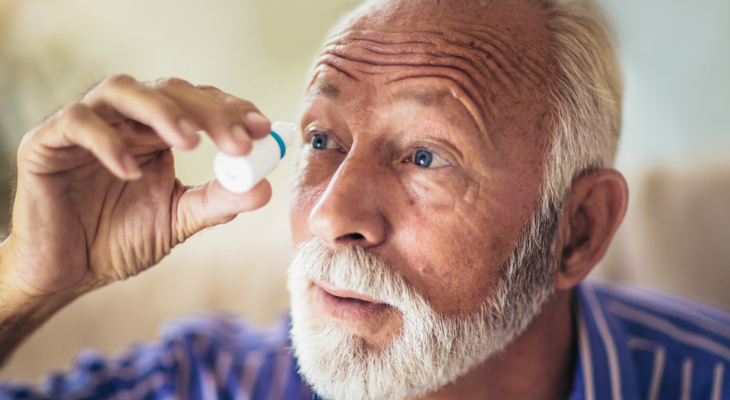
Primary open-angle glaucoma is usually treated with prescription eye drops that improve fluid drainage and lower the pressure inside your eye. Sometimes, pills are also used to lower eye pressure.
If you have acute angle-closure glaucoma, you'll also receive eye drops designed to decrease eye pressure. Your eye doctor may use a laser to create a tiny hole in your iris to improve drainage or might use surgery to move part of the iris away from drainage channels.
How Can I Reduce My Risk of Developing Glaucoma?
Following these recommendations may help you lower your glaucoma risk:
- Keep Chronic Health Conditions Under Control
- Quit Smoking
- Eat a Healthy Diet, Lose Excess Weight, and Exercise Often
- Wear Sunglasses Year-Round
- Use Goggles or Eye Protection When Playing Sports, Mowing the Lawn or Working with Hazardous Substances
It's also important to visit your optometrist every year, even if you don't notice any changes in your vision. During a comprehensive eye exam, your eye doctor can spot early signs of the disease and start treatment to help you avoid vision loss.
Is it time to schedule your next eye exam? Call our office to make an appointment with the optometrist.
Sources:
Glaucoma Research Foundation: Glaucoma Facts and Stats, 2/28/2022
https://glaucoma.org/glaucoma-facts-and-stats/
Glaucoma Research Foundation: African Americans and Glaucoma, 2/28/2022
https://glaucoma.org/african-americans-and-glaucoma/
American Academy of Ophthalmology: 10 Things to Do Today to Prevent Vision Loss from Glaucoma
https://www.aao.org/eye-health/tips-prevention/easy-steps-to-prevent-vision-loss-from-glaucoma
National Eye Institute: Glaucoma, 4/21/2022
https://www.nei.nih.gov/learn-about-eye-health/eye-conditions-and-diseases/glaucoma
American Optometric Association: Glaucoma