Eye Doctor Pembroke Pines

This guide provides a comprehensive overview of essential eye care services and local considerations for residents of Pembroke Pines, Florida. It maps the eye care landscape across different neighborhoods, detailing service availability, including routine exams, specialized pediatric services, and insurance acceptance across Central, West, East, and South Pembroke Pines areas. 

Eye Doctor in Pembroke Pines Florida

This guide provides comprehensive information on family eye care services in Pembroke Pines, FL, emphasizing the crucial link between eye health understanding and proactive local care. It systematically covers foundational concepts, including the detection of common conditions like dry eyes and myopia through comprehensive exams tailored to all ages, from pediatric to adult needs.

Optometrist in Pembroke Pines

This content provides a comprehensive guide to navigating eye care options in Pembroke Pines, FL, with a focus on family-oriented and accessible optometry services. It details the local provider landscape through a comparison table, evaluating clinics like Family Eye Site based on same-day availability, specialties (e.g., pediatric and diabetic exams), and insurance acceptance.

Eye Doctor Pembroke Pines FL

This document provides a comprehensive guide to finding and utilizing Eye Doctor Pembroke Pines FL services, specifically focusing on family-oriented optometry. It begins by mapping the local Eye Care Landscape in Pembroke Pines, comparing providers like The Family Eye Site, Pines Vision, and others based on specialty, accessibility, and pediatric care using an in-depth table. 

Optometrist Pembroke Pines

This content provides a comprehensive guide to finding and utilizing optometry services in Pembroke Pines, FL, focusing on the needs of local families. It begins by mapping the area's eye health landscape, detailing common ocular conditions driven by regional climate and digital strain, and comparing local providers, with a specific table highlighting the comprehensive, family-focused approach of practices like The Family Eye Site. 

Eye Center Pembroke Pines

This detailed guide provides Pembroke Pines residents with essential information about local eye care, focusing on The Family Eye Site. It begins with an 'Overview of Eye Care in Pembroke Pines Area,' including a comparison table detailing accessibility and services across key neighborhoods (Central, West, East, Southwest Pines), ensuring residents find the most convenient location.

Optometrist Pembroke Pines FL

This guide provides a comprehensive overview of family vision health and optometry services in Pembroke Pines, FL, with a focus on delivering patient-centered, accessible care for local residents. It analyzes the area's eye care landscape, comparing local optometry centers and highlighting the comprehensive, family-focused approach of The Family Eye Site.

Eye Care Pembroke Pines

This guide provides a comprehensive overview of eye care options and services available in Pembroke Pines, Florida, specifically targeting the needs of local families and residents. It begins by exploring the diverse eye care landscape, profiling major providers like The Family Eye Site, LensCrafters, and Pines Vision Center, complete with a comparative analysis of their core services, specialties, and insurance acceptance typical of Broward County.

Eye Center in Pembroke Pines

This content provides a comprehensive guide to eye care services in Pembroke Pines, Florida, specifically targeting the local search intent for an 'Eye Center in Pembroke Pines' and 'Pembroke Pines optometrist.' It maps the local eye health landscape, detailing prevalent conditions influenced by demographics and climate, and compares local providers across key neighborhoods like Chapel Trail and Century Village using a structured table.

Eyeglasses in Pembroke Pines

This content provides a comprehensive guide to obtaining high-quality and affordable eyewear in Pembroke Pines, FL, focusing on the local market landscape and the personalized services offered by Family Eye Site. It begins by outlining the competitive optical environment, comparing local providers—including major chains—with Family Eye Site to highlight differences in eye exam availability, eyewear options, and pricing for prescription glasses in Pembroke Pines FL.

November Newsletter: 5 signs that could be caused by diabetic retinopathy

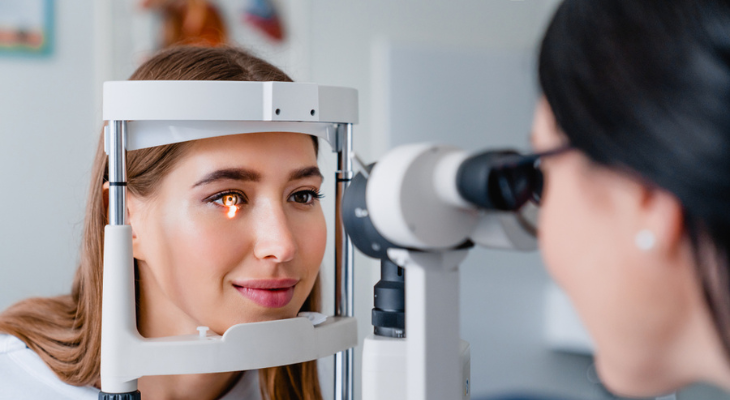
Woman receives eye exam

5 Ways Diabetic Retinopathy Could Affect Your Vision

Changes in your vision could mean you have diabetic retinopathy, an eye disease that can cause vision loss or blindness. Anyone who has type 1 or type 2 diabetes can develop diabetic retinopathy. The eye disease affects about 1/3 of American adults who have diabetes, according to the Centers for Disease Control and Prevention, and is more likely to be a problem for Mexican Americans and African Americans. If you notice any of these signs, it's time to schedule an appointment with the optometrist.

Blurry Vision

Blurry vision can be a sign of diabetic retinopathy and should never be ignored. Your vision blurs when high blood sugar damages the blood vessels in the retina, the tissue at the back of the eye that transforms light rays into electrical impulses. The retina sends the impulses it produces to the brain for processing. If the retina can't do its job properly, the brain won't receive the information it needs to produce clear, sharp images.

Blood vessels in the retina weaken and leak blood or fluid if you have diabetic retinopathy. The blood or fluid pools in the retina, affecting the sharpness of your vision. In some cases, the fluid build-up causes swelling in the macula, the middle part of the retina that controls central and color vision. This condition, called macular edema, makes things look blurry or wavy and could be the reason that colors look faded.

Sometimes blood vessels in the retina close off and are replaced by abnormal vessels. These blood vessels leak fluid that can cloud your vision and may cause scars that result in permanent vision loss.

Changing Vision

Have you noticed that your vision only seems to be blurry sometimes? Blurriness can happen if the clear lens inside your eye swells when your blood sugar is too high. Although your vision returns to normal when your blood sugar level declines, blurry vision is always a cause for concern

Blurry vision, even if it only happens occasionally, may also be a sign of diabetic retinopathy. Unfortunately, it's impossible to tell exactly why your vision is blurry without a visit to the eye doctor.

Floaters

Floaters create shadows on your retina that look like floating cobwebs or wispy strings. The floaters form in the vitreous, a gel-like substance that gives your eye its round shape. Floaters develop when the vitreous shrinks slightly, causing strands of the vitreous to clump together.

Although floaters are a normal part of aging, a sudden increase in floaters can be a sign that you have diabetic retinopathy. If you've already been diagnosed with diabetic retinopathy, seeing more floaters could mean that your condition is worsening. An increase in floaters accompanied by flashing lights or loss of vision are symptoms of retinal detachment. This condition requires emergency treatment to prevent permanent vision loss.

Blind Spots

Blind or dark spots, even if they're small, can be signs of a vitreous hemorrhage. A hemorrhage happens when blood from the retinal blood vessels gets into the vitreous. Depending on the amount of blood, you may see floaters, dark or blank spots in your vision, or may be unable to see anything at all. It can take months for the vitreous to clear up. In some cases, surgery may be needed to replace the cloudy vitreous with a saline (salt) solution.

Blind spots can also be caused by angle-closure glaucoma. Abnormal blood vessels can block drainage channels in your iris, causing fluid to build up in your eye. The build-up increases pressure in the eye and can permanently damage the optic nerve without emergency treatment.

Poor Night Vision

Difficulty seeing well at night can also be a symptom of diabetic retinopathy. The growth of new blood vessels in the retina can affect rods, a type of photoreceptor cell in the retina. When they're functioning normally, rods make it easier to see in low light. In addition to problems with night vision, you may notice that it takes longer for your eyes to adjust when you move back and forth between dark and light areas.

Signs of diabetic retinopathy aren't always obvious at first. Fortunately, your optometrist can detect subtle changes in your eyes during regular exams and recommend treatments that will protect your vision. Get in touch with us if you've noticed any changes in your vision or it's time to schedule your eye exam.

Sources:

CDC: Diabetic Retinopathy

American Diabetes Association: Vision Loss and Diabetes

Mayo Clinic: Diabetic Retinopathy, 6/24/2021

American Academy of Ophthalmology: Diabetic Retinopathy: Causes, Symptoms, Treatment, 9/14/2021

NCBI: Visual Neuroscience: Diabetic Photoreceptors: Mechanisms Underlying Changes in Structure and Function, 10/6/2020

The Family Eye Site

Address

18503 Pines Blvd STE 205,
Pembroke Pines, FL 33029

Contact Us