Eye Doctor Pembroke Pines

This guide provides a comprehensive overview of essential eye care services and local considerations for residents of Pembroke Pines, Florida. It maps the eye care landscape across different neighborhoods, detailing service availability, including routine exams, specialized pediatric services, and insurance acceptance across Central, West, East, and South Pembroke Pines areas. 

Eye Doctor in Pembroke Pines Florida

This guide provides comprehensive information on family eye care services in Pembroke Pines, FL, emphasizing the crucial link between eye health understanding and proactive local care. It systematically covers foundational concepts, including the detection of common conditions like dry eyes and myopia through comprehensive exams tailored to all ages, from pediatric to adult needs.

Optometrist in Pembroke Pines

This content provides a comprehensive guide to navigating eye care options in Pembroke Pines, FL, with a focus on family-oriented and accessible optometry services. It details the local provider landscape through a comparison table, evaluating clinics like Family Eye Site based on same-day availability, specialties (e.g., pediatric and diabetic exams), and insurance acceptance.

Eye Doctor Pembroke Pines FL

This document provides a comprehensive guide to finding and utilizing Eye Doctor Pembroke Pines FL services, specifically focusing on family-oriented optometry. It begins by mapping the local Eye Care Landscape in Pembroke Pines, comparing providers like The Family Eye Site, Pines Vision, and others based on specialty, accessibility, and pediatric care using an in-depth table. 

Optometrist Pembroke Pines

This content provides a comprehensive guide to finding and utilizing optometry services in Pembroke Pines, FL, focusing on the needs of local families. It begins by mapping the area's eye health landscape, detailing common ocular conditions driven by regional climate and digital strain, and comparing local providers, with a specific table highlighting the comprehensive, family-focused approach of practices like The Family Eye Site. 

Eye Center Pembroke Pines

This detailed guide provides Pembroke Pines residents with essential information about local eye care, focusing on The Family Eye Site. It begins with an 'Overview of Eye Care in Pembroke Pines Area,' including a comparison table detailing accessibility and services across key neighborhoods (Central, West, East, Southwest Pines), ensuring residents find the most convenient location.

Optometrist Pembroke Pines FL

This guide provides a comprehensive overview of family vision health and optometry services in Pembroke Pines, FL, with a focus on delivering patient-centered, accessible care for local residents. It analyzes the area's eye care landscape, comparing local optometry centers and highlighting the comprehensive, family-focused approach of The Family Eye Site.

Eye Care Pembroke Pines

This guide provides a comprehensive overview of eye care options and services available in Pembroke Pines, Florida, specifically targeting the needs of local families and residents. It begins by exploring the diverse eye care landscape, profiling major providers like The Family Eye Site, LensCrafters, and Pines Vision Center, complete with a comparative analysis of their core services, specialties, and insurance acceptance typical of Broward County.

Eye Center in Pembroke Pines

This content provides a comprehensive guide to eye care services in Pembroke Pines, Florida, specifically targeting the local search intent for an 'Eye Center in Pembroke Pines' and 'Pembroke Pines optometrist.' It maps the local eye health landscape, detailing prevalent conditions influenced by demographics and climate, and compares local providers across key neighborhoods like Chapel Trail and Century Village using a structured table.

Eyeglasses in Pembroke Pines

This content provides a comprehensive guide to obtaining high-quality and affordable eyewear in Pembroke Pines, FL, focusing on the local market landscape and the personalized services offered by Family Eye Site. It begins by outlining the competitive optical environment, comparing local providers—including major chains—with Family Eye Site to highlight differences in eye exam availability, eyewear options, and pricing for prescription glasses in Pembroke Pines FL.

Poor Air Quality and Your Eyes

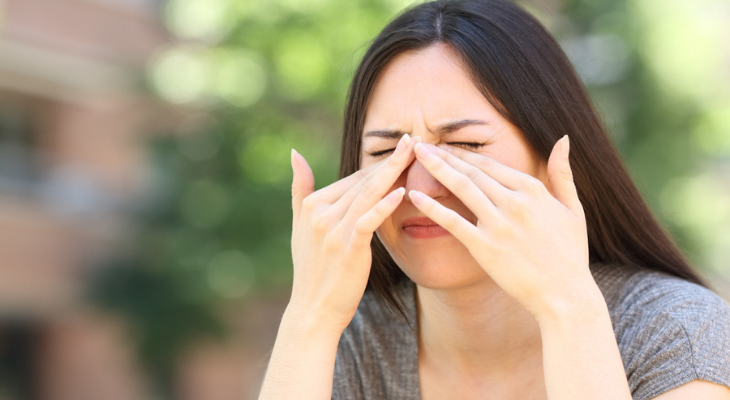
Woman with irritated eyes

What You Can Do to Protect Your Eyes From Bad Air Quality

Exposure to pollution and other airborne irritants increases the risk of many diseases and health conditions, including heart disease, asthma, stroke, respiratory illnesses, and lung cancer. Unfortunately, your eyes may also suffer when the air quality is bad. Taking a few of these steps will improve your eye comfort and reduce the risk of vision problems.

How Air Quality Affects Your Eyes

The moist tissues in your eyes easily absorb pollutants in the air. Short-term exposure can cause irritation and inflammation, while long-term exposure can lead to age-related macular degeneration. Your risk of eye problems increases if you spend a significant amount of time outdoors when the air quality is poor.

Airborne Pollutants Can Trigger Painful Conjunctivitis

Conjunctivitis, or "pink eye," affects the conjunctiva, a layer of tissue that covers the whites of your eye and the insides of the eyelids. Redness, itching, burning, foreign body sensation, and light sensitivity are common symptoms. Although conjunctivitis can be caused by viruses, bacteria, or chemicals, air quality is also a factor, particularly among people who have allergies.

Cases of allergic conjunctivitis among Japanese ophthalmologists and their families increased when nitrogen dioxide, a common pollutant was high. Results of the survey of Japanese eye doctors appeared in the December 3, 2019 issue of Scientific Reports.

In a study published in Investigative Ophthalmology & Visual Science in January 2012, high levels of ozone, nitrogen dioxide, sulfur dioxide, and particulate matter increased outpatient visits for non-specific conjunctivitis in Taiwan.

Pollution Could Be the Reason Your Eyes Feel So Dry

Do your eyes feel itchy and uncomfortable after spending time outdoors? You may be suffering from dry eye. The condition may also be to blame for blurry vision and redness. Pollution dries out the tear film that lubricates the sensitive tissues of your eyes, which causes the symptoms. Korean researchers discovered that higher ozone levels and lower humidity levels increased dry eye. Their conclusions were based on results obtained from the Korea National Health and Nutrition Examination Survey.

Poor Air Quality Increases Your Chance of Age-Related Macular Degeneration

Age-related macular degeneration (AMD) causes blurry vision or loss of vision in the center of your eye. AMD affects the macula, the center part of the retina responsible for color and central vision. You're more likely to develop AMD if you're over age 60 or have a family history of the disease, although pollution may also play a part in AMD, according to a recent research study.

Exposure to fine particle air pollution increased the risk of AMD in a study published in the British Journal of Ophthalmology. Some study participants also experienced changes in the thickness of their retinas due to pollution.

How You Can Reduce Your Risk of Pollution-Related Eye Issues

Although you may not be able to avoid pollution completely, these tips can help you protect your eyes:

  • Check Air Quality Forecasts. Take a look at the air quality forecast if you plan to spend time outdoors. If the air quality is unhealthy, it may be best to reschedule your activities if possible. Air quality forecasts are available on many weather websites.
  • Cover Your Eyes. Sunglasses or eyeglasses prevent pollutants from reaching your eyes. Wrap-around sunglasses offer the most protection.
  • Use Eye Drops. Lubricating eye drops keep your eyes moist and comfortable while reducing dry eye symptoms.
  • Increase Humidity. Use a humidifier in your home to increase moisture and prevent your dry eyes from feeling even worse.
  • Wear Your Glasses Instead of Contact Lenses. Contact lenses trap pollutants against your eye and increase your risk of developing dry eye and conjunctivitis. If you do wear your contacts on a day when the air quality is unhealthy, remove the lenses as soon as you return home and clean them immediately.
  • Contact Your Optometrist. Let your optometrist know if eye irritation or inflammation doesn't improve after a day or two. Your eye doctor can prescribe eye drops that will reduce irritation, redness, and other symptoms.

Are your eyes dry or inflamed? Contact our office to schedule an appointment.

Sources:

American Lung Association: The Terrible 10: Air Pollution's Top Ten Health Risks, 4/6/17

American Optometric Association: Conjunctivitis

Scientific Reports: Air Pollution Significantly Associated with Severe Ocular Allergic Inflammatory Diseases, 12/3/19

National Eye Institute: Dry Eye, 1/22/20

British Journal of Ophthalmology: Association of Ambient Air Pollution with Age-Related Macular Degeneration and Retinal Thickness in UK Biobank, 2021

Healthline: Common Cause of Vision Loss Linked to Air Pollution – What to Know

Investigative Ophthalmology & Visual Science: Relationship Between Air Pollution and Outpatient Visits for Nonspecific Conjunctivitis, 1/12

JAMA Ophthalmology: Potential Importance of Ozone in the Association Between Outdoor Air Pollution and Dry Eye Disease in South Korea, 5/16

The Family Eye Site

Address

18503 Pines Blvd STE 205,
Pembroke Pines, FL 33029

Contact Us