Eye Doctor Pembroke Pines

This guide provides a comprehensive overview of essential eye care services and local considerations for residents of Pembroke Pines, Florida. It maps the eye care landscape across different neighborhoods, detailing service availability, including routine exams, specialized pediatric services, and insurance acceptance across Central, West, East, and South Pembroke Pines areas. 

Eye Doctor in Pembroke Pines Florida

This guide provides comprehensive information on family eye care services in Pembroke Pines, FL, emphasizing the crucial link between eye health understanding and proactive local care. It systematically covers foundational concepts, including the detection of common conditions like dry eyes and myopia through comprehensive exams tailored to all ages, from pediatric to adult needs.

Optometrist in Pembroke Pines

This content provides a comprehensive guide to navigating eye care options in Pembroke Pines, FL, with a focus on family-oriented and accessible optometry services. It details the local provider landscape through a comparison table, evaluating clinics like Family Eye Site based on same-day availability, specialties (e.g., pediatric and diabetic exams), and insurance acceptance.

Eye Doctor Pembroke Pines FL

This document provides a comprehensive guide to finding and utilizing Eye Doctor Pembroke Pines FL services, specifically focusing on family-oriented optometry. It begins by mapping the local Eye Care Landscape in Pembroke Pines, comparing providers like The Family Eye Site, Pines Vision, and others based on specialty, accessibility, and pediatric care using an in-depth table. 

Optometrist Pembroke Pines

This content provides a comprehensive guide to finding and utilizing optometry services in Pembroke Pines, FL, focusing on the needs of local families. It begins by mapping the area's eye health landscape, detailing common ocular conditions driven by regional climate and digital strain, and comparing local providers, with a specific table highlighting the comprehensive, family-focused approach of practices like The Family Eye Site. 

Eye Center Pembroke Pines

This detailed guide provides Pembroke Pines residents with essential information about local eye care, focusing on The Family Eye Site. It begins with an 'Overview of Eye Care in Pembroke Pines Area,' including a comparison table detailing accessibility and services across key neighborhoods (Central, West, East, Southwest Pines), ensuring residents find the most convenient location.

Optometrist Pembroke Pines FL

This guide provides a comprehensive overview of family vision health and optometry services in Pembroke Pines, FL, with a focus on delivering patient-centered, accessible care for local residents. It analyzes the area's eye care landscape, comparing local optometry centers and highlighting the comprehensive, family-focused approach of The Family Eye Site.

Eye Care Pembroke Pines

This guide provides a comprehensive overview of eye care options and services available in Pembroke Pines, Florida, specifically targeting the needs of local families and residents. It begins by exploring the diverse eye care landscape, profiling major providers like The Family Eye Site, LensCrafters, and Pines Vision Center, complete with a comparative analysis of their core services, specialties, and insurance acceptance typical of Broward County.

Eye Center in Pembroke Pines

This content provides a comprehensive guide to eye care services in Pembroke Pines, Florida, specifically targeting the local search intent for an 'Eye Center in Pembroke Pines' and 'Pembroke Pines optometrist.' It maps the local eye health landscape, detailing prevalent conditions influenced by demographics and climate, and compares local providers across key neighborhoods like Chapel Trail and Century Village using a structured table.

Eyeglasses in Pembroke Pines

This content provides a comprehensive guide to obtaining high-quality and affordable eyewear in Pembroke Pines, FL, focusing on the local market landscape and the personalized services offered by Family Eye Site. It begins by outlining the competitive optical environment, comparing local providers—including major chains—with Family Eye Site to highlight differences in eye exam availability, eyewear options, and pricing for prescription glasses in Pembroke Pines FL.

A Look at the Human Eye

Human eye

How the Human Eye Works

Seeing is possible thanks to a complicated series of events that start in the eyes and end in the brain. The entire process happens almost instantaneously and is only successful if every part of your visual system works properly.

It All Starts with the Cornea

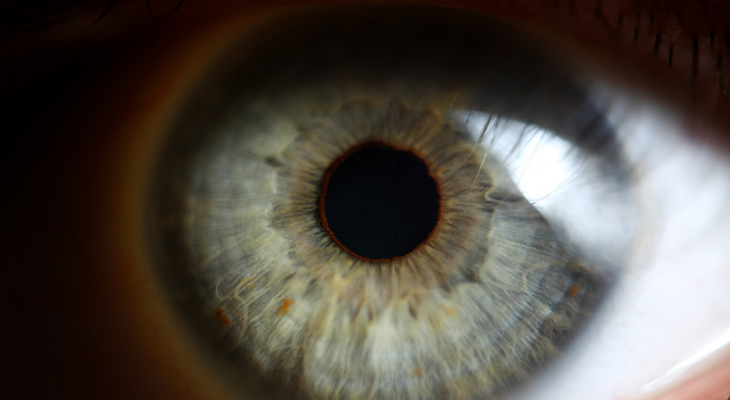
Your cornea, a clear, rounded layer of tissue that covers your pupil and iris, helps light reach your eyes by bending the rays as they enter your pupils.

The iris and pupil work together to let light into the eye. Have you noticed that your pupils look bigger when the light is dim? Tiny muscles in the iris make the pupil bigger when it's harder to see, allowing more light to enter your eyes. The muscles shrink the size of your pupils when it's bright outside or inside.

The Lens Is Essential for a Clear Picture

Light rays pass through the lens and the vitreous humor after entering the eye. The lens is a transparent disc located inside the eye under the iris and pupil, while the vitreous is the clear gel that gives the eye its shape.

The muscles that control the shape of the lens relax, causing the lens to flatten when you look at an object in the distance. The opposite happens when you look at something nearby. The muscles contract, thickening the lens. The ability of the lens to change shape allows you to shift your focus from near to far objects and back again.

The lens focuses light rays on the retina in the back of the eye. If your eyeball is too long, the rays will focus in front of the retina, causing myopia, or nearsightedness. If you're nearsighted, close objects are easy to see, while everything in the distance looks blurry.

Hyperopia, or farsightedness, occurs when your eyeball is too short. Light rays focus beyond your retina and make your near vision blurry.

As you get older, the lenses of your eyes become less flexible. The loss of flexibility affects your ability to see near objects clearly. This condition, called presbyopia, usually begins in your early- to mid-forties, according to the American Optometric Association. Fortunately, a pair of reading glasses will make it much easier to read a book or thread a needle.

The Retina Transforms Light Rays

The retina covers the back of the eye and contains two types of photoreceptor cells. The rods, found in the outer part of the retina, are essential for side vision and help you see in dim light. Cones, the other type of photoreceptor cells, are located in the macula, the center part of the retina. Cones are needed for color vision and also help you see fine details easily.

The retina turns light rays into electrical impulses, then sends the impulses to the occipital lobe of the brain through the optic nerve. Problems with your retinas or optic nerve can affect your vision.

If you have macular degeneration, a common age-related eye condition, your central vision may be blurry or you may notice blank spots in the middle part of your vision. Increased eye pressure due to glaucoma can damage your optic nerve, causing partial or total loss of vision.

How Your Brain Helps You See

The visual cortex in the brain's occipital lobe serves as the vision command center. The cortex processes and stores images and helps you make sense of what you see. Thanks to your brain, you can recognize faces, colors, letters, and shapes. You can also see fine details, avoid obstacles, keep your balance, predict the speed of moving objects, remember the things you've seen in the past, and easily recall information after reading it.

Your brain also controls the muscles that move your eyes and turns the slightly different information received from each of your eyes into one clear image.

If a stroke, tumor, infection, disease, or head trauma injures the brain, your vision and your ability to understand what you see can be temporarily or permanently affected.

Annual visits to the optometrist help you ensure that every part of your visual system is working properly. Contact our office if you're ready to schedule your next eye exam.

Sources:

American Optometric Association: Adult Vision: 41 - 60 Years of Age

National Eye Institute: How the Eyes Work

American Optometric Association: How Your Eyes Work

American Macular Degeneration Foundation: How the Eye Works as a Camera

American Academy of Ophthalmology: Eye Anatomy: Parts of the Eye and How We See, 3/9/21

The Family Eye Site

Address

18503 Pines Blvd STE 205,
Pembroke Pines, FL 33029

Contact Us