Eye Doctor Pembroke Pines

This guide provides a comprehensive overview of essential eye care services and local considerations for residents of Pembroke Pines, Florida. It maps the eye care landscape across different neighborhoods, detailing service availability, including routine exams, specialized pediatric services, and insurance acceptance across Central, West, East, and South Pembroke Pines areas. 

Eye Doctor in Pembroke Pines Florida

This guide provides comprehensive information on family eye care services in Pembroke Pines, FL, emphasizing the crucial link between eye health understanding and proactive local care. It systematically covers foundational concepts, including the detection of common conditions like dry eyes and myopia through comprehensive exams tailored to all ages, from pediatric to adult needs.

Optometrist in Pembroke Pines

This content provides a comprehensive guide to navigating eye care options in Pembroke Pines, FL, with a focus on family-oriented and accessible optometry services. It details the local provider landscape through a comparison table, evaluating clinics like Family Eye Site based on same-day availability, specialties (e.g., pediatric and diabetic exams), and insurance acceptance.

Eye Doctor Pembroke Pines FL

This document provides a comprehensive guide to finding and utilizing Eye Doctor Pembroke Pines FL services, specifically focusing on family-oriented optometry. It begins by mapping the local Eye Care Landscape in Pembroke Pines, comparing providers like The Family Eye Site, Pines Vision, and others based on specialty, accessibility, and pediatric care using an in-depth table. 

Optometrist Pembroke Pines

This content provides a comprehensive guide to finding and utilizing optometry services in Pembroke Pines, FL, focusing on the needs of local families. It begins by mapping the area's eye health landscape, detailing common ocular conditions driven by regional climate and digital strain, and comparing local providers, with a specific table highlighting the comprehensive, family-focused approach of practices like The Family Eye Site. 

Eye Center Pembroke Pines

This detailed guide provides Pembroke Pines residents with essential information about local eye care, focusing on The Family Eye Site. It begins with an 'Overview of Eye Care in Pembroke Pines Area,' including a comparison table detailing accessibility and services across key neighborhoods (Central, West, East, Southwest Pines), ensuring residents find the most convenient location.

Optometrist Pembroke Pines FL

This guide provides a comprehensive overview of family vision health and optometry services in Pembroke Pines, FL, with a focus on delivering patient-centered, accessible care for local residents. It analyzes the area's eye care landscape, comparing local optometry centers and highlighting the comprehensive, family-focused approach of The Family Eye Site.

Eye Care Pembroke Pines

This guide provides a comprehensive overview of eye care options and services available in Pembroke Pines, Florida, specifically targeting the needs of local families and residents. It begins by exploring the diverse eye care landscape, profiling major providers like The Family Eye Site, LensCrafters, and Pines Vision Center, complete with a comparative analysis of their core services, specialties, and insurance acceptance typical of Broward County.

Eye Center in Pembroke Pines

This content provides a comprehensive guide to eye care services in Pembroke Pines, Florida, specifically targeting the local search intent for an 'Eye Center in Pembroke Pines' and 'Pembroke Pines optometrist.' It maps the local eye health landscape, detailing prevalent conditions influenced by demographics and climate, and compares local providers across key neighborhoods like Chapel Trail and Century Village using a structured table.

Eyeglasses in Pembroke Pines

This content provides a comprehensive guide to obtaining high-quality and affordable eyewear in Pembroke Pines, FL, focusing on the local market landscape and the personalized services offered by Family Eye Site. It begins by outlining the competitive optical environment, comparing local providers—including major chains—with Family Eye Site to highlight differences in eye exam availability, eyewear options, and pricing for prescription glasses in Pembroke Pines FL.

Questions You Should Ask Your Optometrist

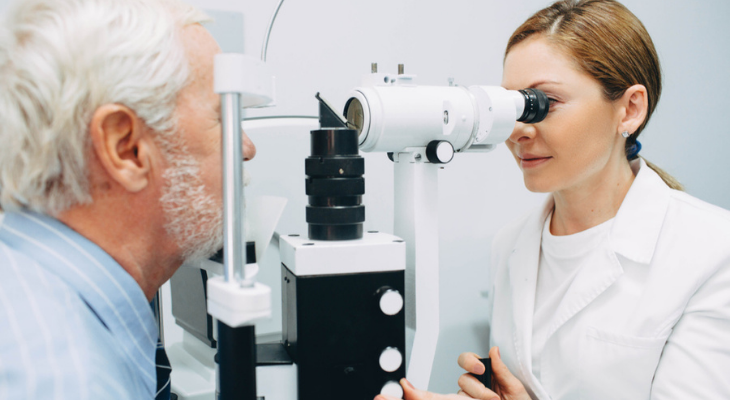
Older man at optometrist having eyes examined

Essential Questions to Ask Your Optometrist During an Eye Exam

Will you be visiting the optometrist soon? During your next appointment with the eye doctor, you may want to ask a few of these questions.

How Often Should I See You?

Your optometrist will recommend an eye exam schedule based on your age and any eye conditions or diseases you may have. Although the ideal schedule varies from person to person, the American Optometric Association (AOA) recommends scheduling comprehensive eye examinations every two years between ages 18 to 64. Once you reach age 65, it's time to visit the optometrist every year.

Children should see the eye doctor once between 6 to 12 months of age, once between 3 to 5 years, before entering first grade, and annually between ages 6 to 17, according to the AOA.

More frequent exams may be needed if your vision changes or you currently wear contact lenses and glasses. You might also need to see the eye doctor more often if you have an eye condition or disease that requires careful monitoring.

Do I Have Any Signs of Eye Disease?

Signs and symptoms of eye diseases and conditions can be subtle. Unfortunately, your eyesight can be damaged even if you don't notice a change in your vision. By the time you do begin experiencing vision problems, the damage may be irreversible. Regular eye examinations help you ensure that your condition or disease will be treated promptly should you ever develop an eye disease or condition.

During your comprehensive eye examination, your optometrist conducts several tests that help him or her spot signs of common eye conditions, including glaucoma, macular degeneration, cataracts, diabetic retinopathy, and corneal ulcers.

You'll also discuss any changes to your health that could increase your risk of eye disease. For example, diabetes and high blood pressure can damage tiny blood vessels in your retina or cause them to leak, affecting your vision. Illnesses like shingles and Lyme disease can inflame various parts of the eyes, while liver disease could damage your corneas and the clear lenses inside your eyes.

Are Eyeglasses or Contact Lenses Best for Me?

You'll need to wear eyeglasses or contact lenses if you have a refractive error that causes myopia (nearsightedness), hyperopia (farsightedness), astigmatism, or presbyopia (difficulty seeing close objects as you get older). Your optometrist will help you decide which option is the better choice for you or write you a prescription for new contact lenses or glasses if you already wear them.

Contact lenses usually provide a little clearer vision than eyeglasses. You also won't have to worry about keeping your glasses secure when you play sports and won't have to deal with foggy lenses when it's cold outside.

Eyeglasses might be the better choice if you're not comfortable touching your eyes to put in or remove contact lenses, you have dry eyes, or don't want to bother with cleaning contact lenses.

Whether you plan to only wear eyeglasses or need a backup pair of glasses for times when you aren't wearing your contact lenses, you'll need to think about the best type of eyeglasses lenses for you. Your eye doctor will explain the various benefits of single vision, bifocal, trifocal, and progressive lenses during your visit.

Your eye doctor may also make a few recommendations based on your interests or lifestyle. For example, prescription goggles can help you see clearly if you ski, swim, or play sports, while sunglasses improve eye comfort and reduce your risk of developing cataracts or macular degeneration.

How Can I Protect My Eye Health?

Your appointment may also include a few tips that will help you keep your eyes healthy, such as:

  • Eating a healthy diet
  • Wearing eye protection when you use machinery or play sports
  • Taking frequent breaks when using digital devices to prevent eyestrain and dry eye
  • Throwing away eye makeup every few months
  • Giving up smoking (Smoking is a risk factor for cataracts, macular degeneration, and other eye conditions.)
  • Washing your hands before handling your contact lenses

Is it time for your next comprehensive eye exam? Contact our office to schedule your appointment.

Sources:

American Optometric Association: Comprehensive Eye Examinations

All About Vision: Questions to Ask Your Eye Doctor, 1/21

Centers for Disease Control and Prevention: Common Eye Disorders and Diseases

Medicine Net: Are Contact Lenses Better Than Glasses?, 10/27/20

The Family Eye Site

Address

18503 Pines Blvd STE 205,
Pembroke Pines, FL 33029

Contact Us